
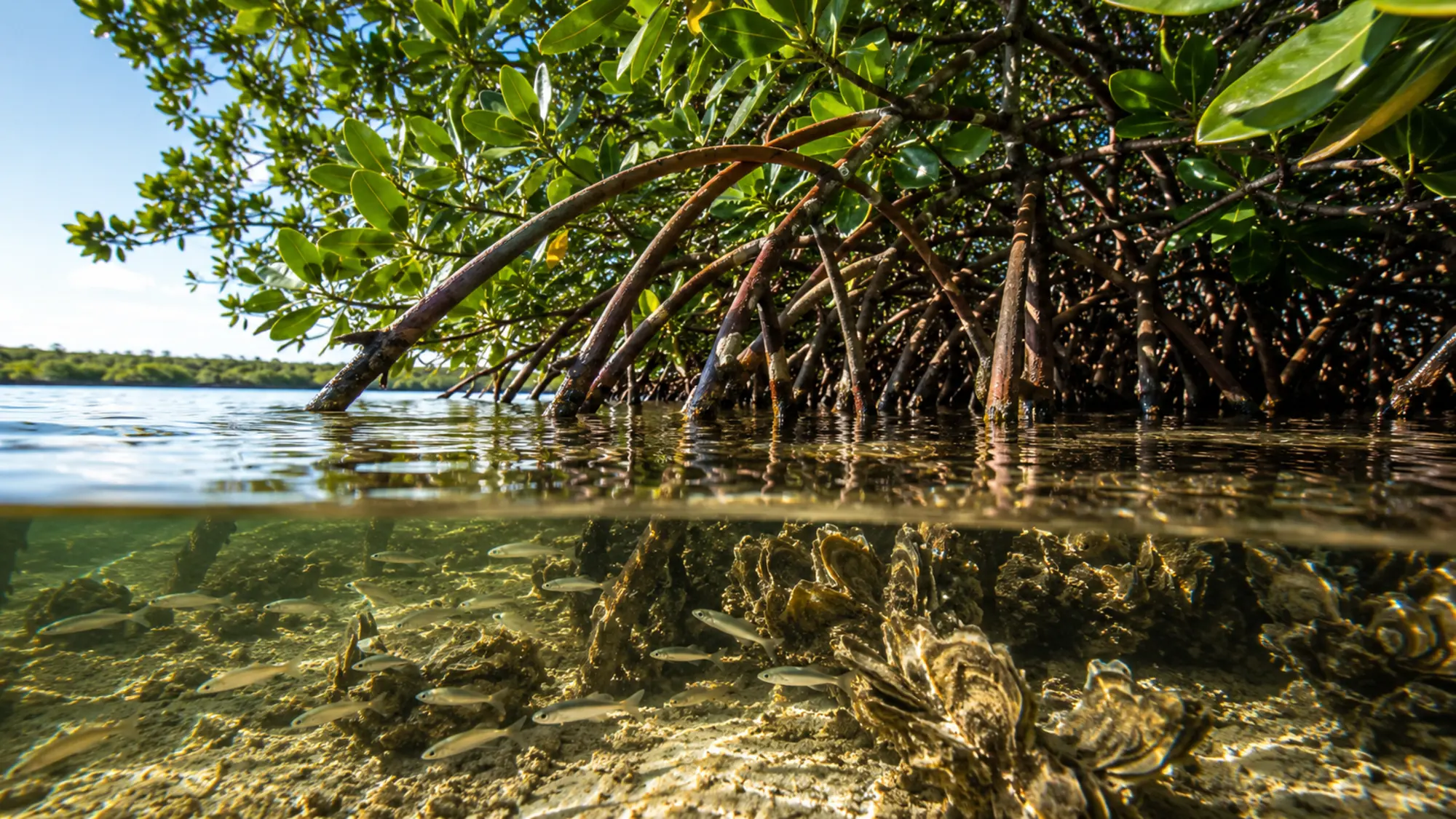
Understanding Mangroves and the Lemon Bay Ecosystem
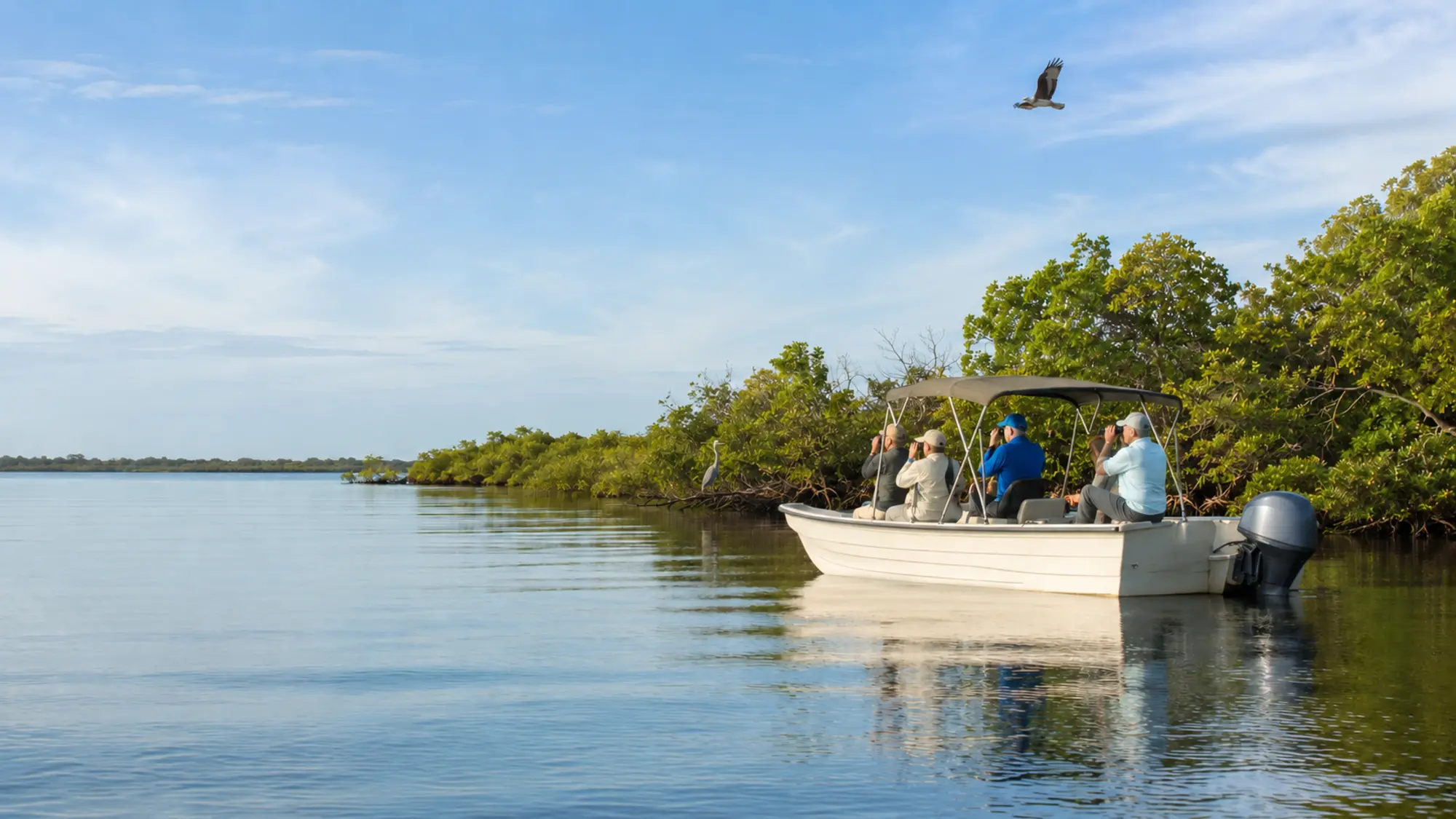
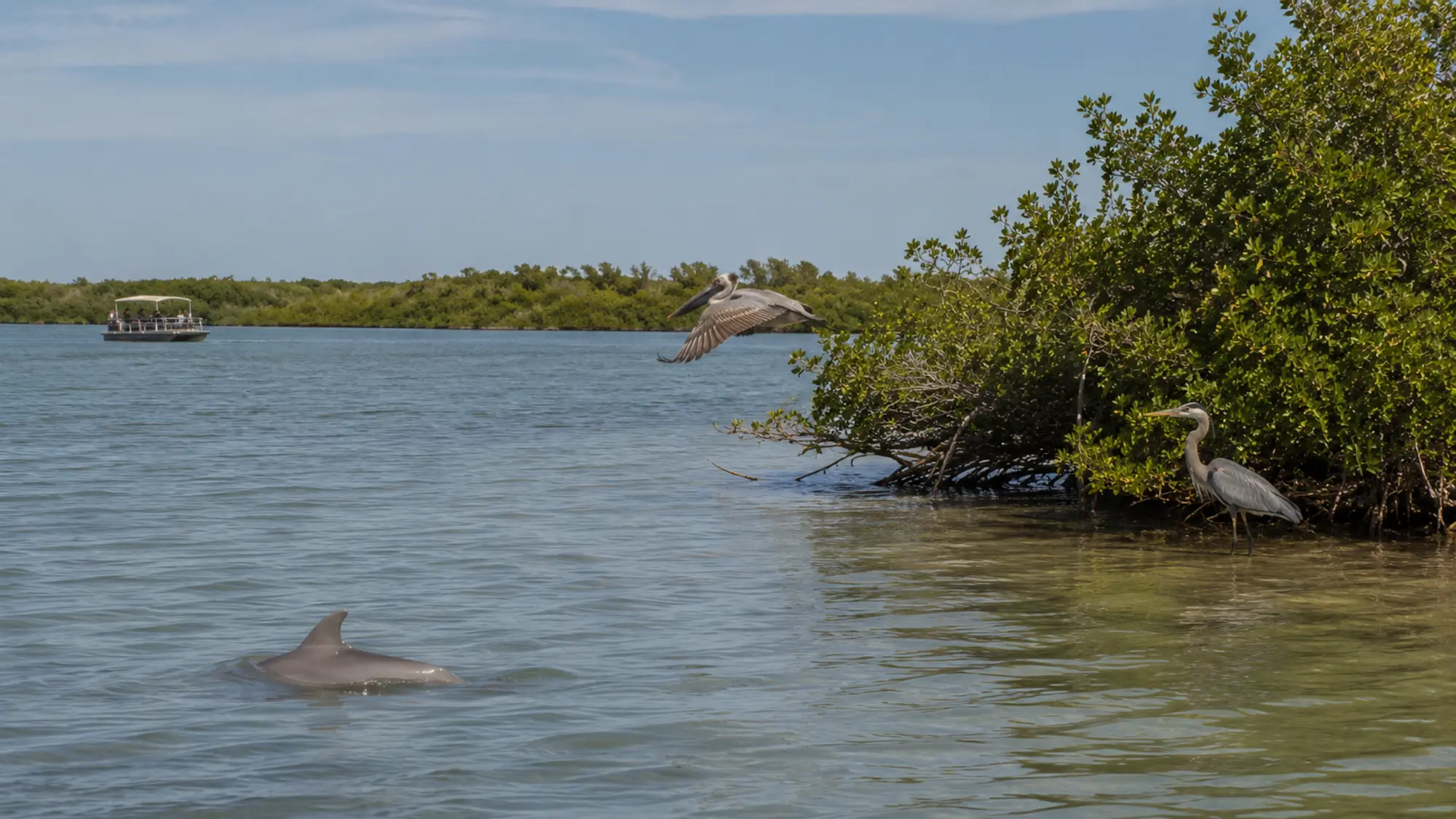
Mangrove islands can also support bird habitat. Cutting close for a photograph can disturb animals or put a vessel into shallow, sensitive water.
How to plan around it
Observe roots, water clarity and animal activity from a respectful distance. Never break branches, tie off without permission or leave fishing line behind.
A respectful way to experience Lemon Bay
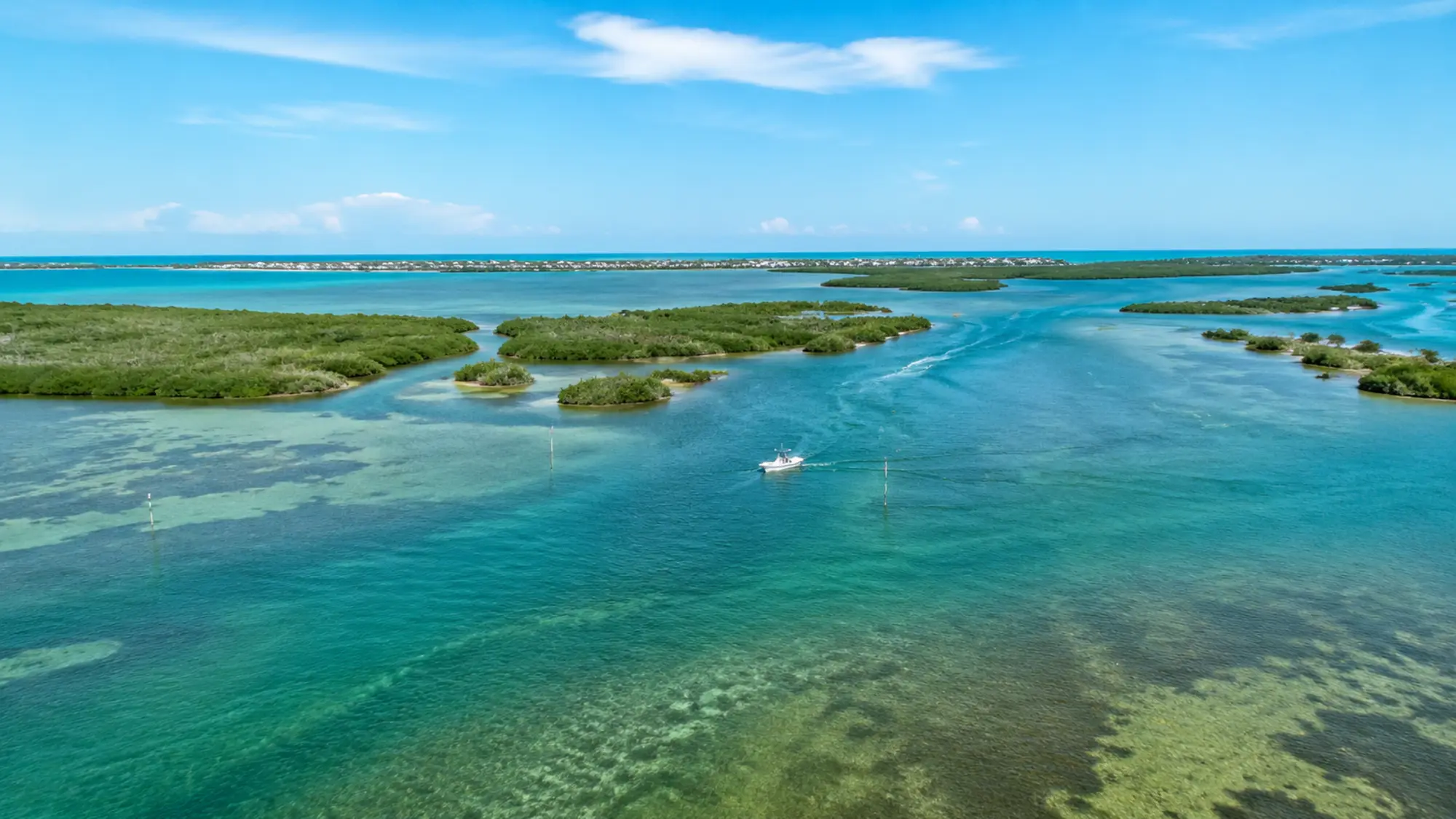
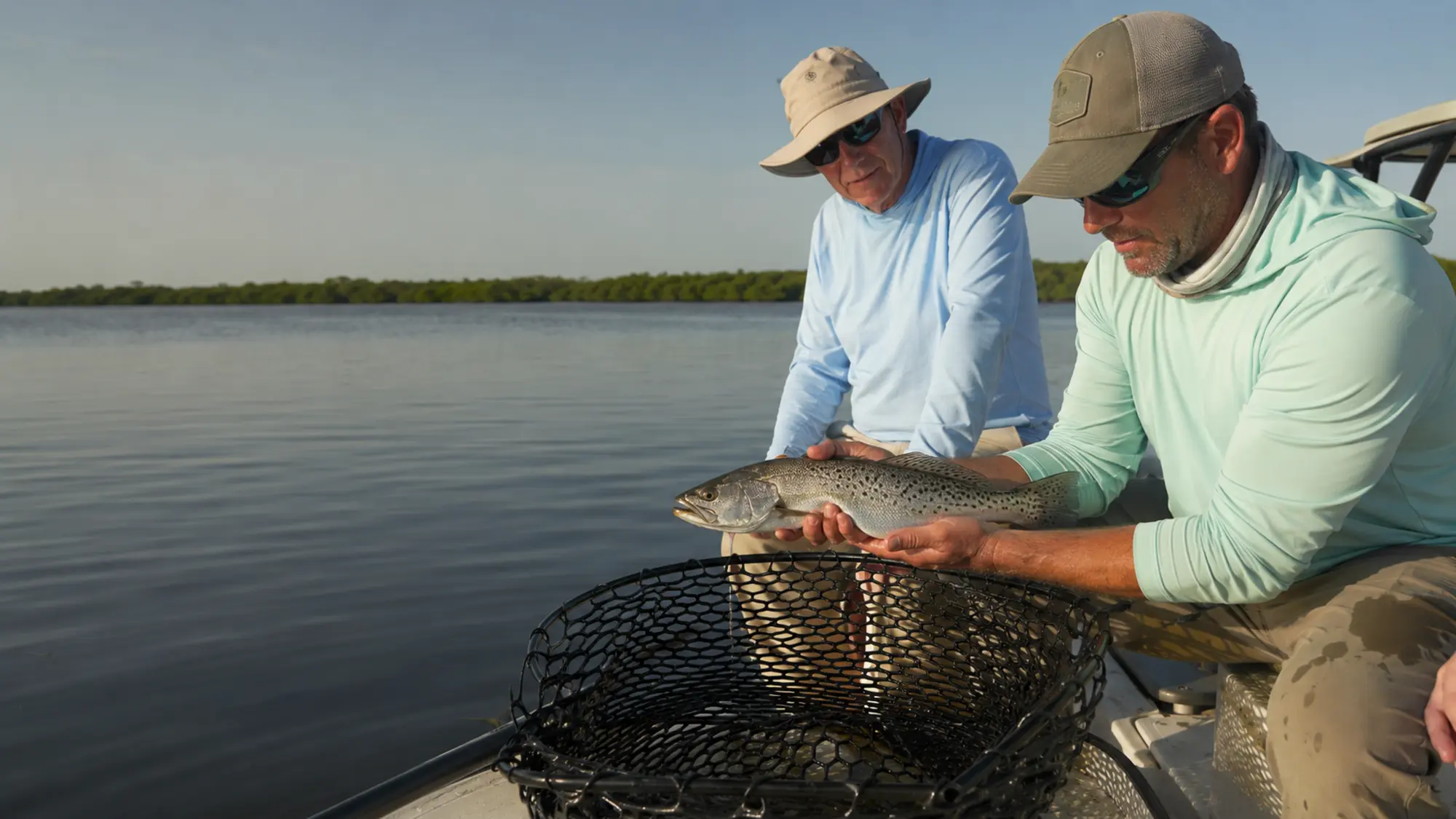
Lemon Bay is a shallow estuary shaped by seagrass, oyster habitat and mangrove shorelines. Good trips follow posted navigation and wildlife rules, keep a considerate distance from animals and leave the waterway as it was found.
- Follow posted slow-speed and no-wake zones
- Never feed or pursue wildlife
- Keep loose items and fishing line secured
- Choose reusable containers when practical
What a mangrove edge looks like from a boat
From across Lemon Bay, mangroves can look like one continuous green wall. At boat level, the edge is more varied. Points meet small pockets, roots create shade and narrow openings connect to water too shallow or sensitive for casual entry.
That shape matters to fish, birds and current. It also explains why a captain may travel beside a shoreline without pushing close to every opening.
Low water reveals the habitat's structure
As water falls, more root structure and bottom edge can become visible. Fish and bait may use the remaining depth differently, while birds gain access to exposed feeding areas. A change that looks small on a tide chart can be visually obvious in a shallow estuary.
Guests can observe those changes without touching roots, entering closed habitat or pressuring wildlife for a closer view.
Natural edges and working waterways meet
Lemon Bay includes homes, docks and marked routes as well as mangrove shoreline. Seeing those uses beside one another helps explain why careful speed, wake control and distance from shallow habitat matter even when the water looks open.
A tour can follow an accessible edge and discuss what is visible, but it does not need to enter every pocket to make the habitat meaningful.
Questions, answered
Mangroves and the Lemon Bay Ecosystem FAQ
Specific reservation details are confirmed in writing before your trip.
Why are mangroves important to fishing?
Their submerged root habitat offers shelter and feeding opportunities for many estuary organisms.
Can boats enter every mangrove creek?
No. Depth, access rules, habitat and safe navigation limit where boats should go.
Do mangroves prevent all erosion?
They can reduce wave energy and stabilize shorelines, but coastal processes are complex.
Can guests collect mangrove plants?
Do not remove or damage vegetation. Follow current environmental rules.
Related boat experience
Turn this planning guide into time on the water.
Review Dolphin and Wildlife Boat Tour for the relevant trip details, boat options, private-group rates and availability process.